Home / Thinking Zone / Trust, technology and the human core of education
Trust in technology series: Trust, technology and the human core of education
There is no doubt that technology is transforming how we receive and deliver education. The newly updated ChatGPT5 is reported to generate responses at PhD level, while entire generations of young people have grown up with the internet as a constant backdrop to their learning. The ‘old style’ of teaching, with the teacher as sole source of knowledge, is being disrupted in ways that would have been unimaginable even two decades ago. This transformation raises a crucial question:
How is technology, particularly artificial intelligence, changing our levels of trust in education?
Posted 15 September 2025

Trust has always been fundamental to learning and everyone is involved. Students must trust that teachers are acting in their best interests and that the information being taught is credible, unbiased and accurate - and from the other side, teachers must trust their students to engage honestly and responsibly throughout the learning process. In turn, parents and policymakers must trust institutions to uphold standards, safeguard young people, and provide fair opportunities to succeed – and that can depend on a variety of societal factors. Without a network of trust, education could risk becoming defensive, transactional, and shallow, but with a network of trust, it has the ability to be transformative; equipping students not only with knowledge but with confidence, insight and resilience.
However, what we cannot ignore is that technology actually complicates this delicate interplay between teacher, student, parent and policymaker, because it offers tools that strengthen and undermine trust – all at the same time.
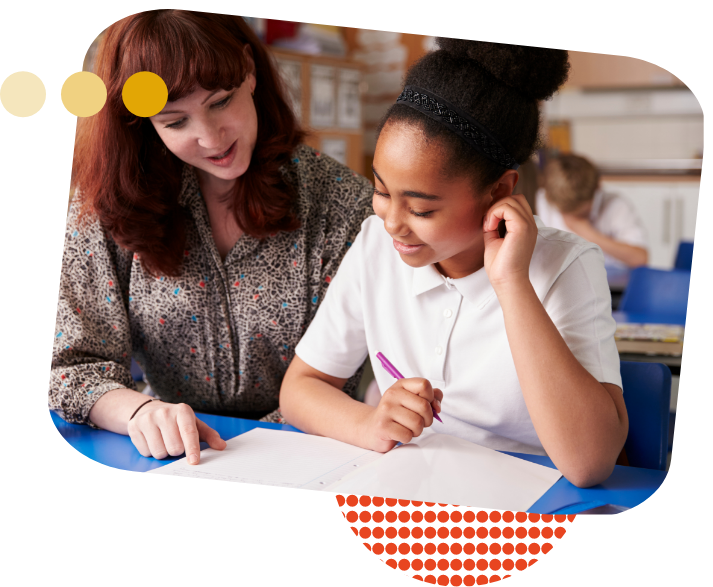
Philosophers have long recognised that education depends on trust; Aristotle, writing over two thousand years ago, saw education as central to the cultivation of virtue and practical wisdom. Teachers were not merely transmitters of information but moral guides whose role was to shape trustworthy citizens capable of contributing to the community. Even when I was at school in the 1980s, there was an assumption that teachers were somehow morally superior - and there was an assumed level of trust based on this perceived hierarchy.
The Aristotelian perspective has always been influential. Scottish philosopher Alasdair MacIntyre, in his book After Virtue (1981), laments the erosion of shared moral traditions in modern life and argues that education should restore a sense of virtue and community, because without this, learning risks becoming hollow and focused only on technical skills. Similarly, Professor of Law and Ethics at the University of Chicago, Martha Nussbaum builds on Aristotle to argue for an education that cultivates humanity, empathy, and citizenship (Cultivating Humanity, 1997). More recently, in her book Technology and the Virtues: A Philosophical Guide to a Future Worth Wanting, Shannon Vallor, (Baillie Gifford Chair in the Ethics of Data and Artificial Intelligence at the Edinburgh Futures Institute) also develops Aristotle’s virtue ethics to argue that education should cultivate not only knowledge but also the practical and moral virtues needed to navigate a technologically mediated world. She emphasises that trust in education - and in the use of technology - depends on utilising human judgement, agency, and ethical responsibility, ensuring that learners can engage with AI and digital tools without surrendering their moral autonomy.
Bringing these ideas into the present debate on technology and AI, we might ask whether digital tools can ever cultivate the same kind of trust and virtue Aristotle described? Or do they risk narrowing education to measurable outputs, while neglecting the ethical and relational dimensions?

If trust is indeed central, as both ancient and modern philosophers argue, then the challenge is not simply whether AI can deliver information, but whether it can support - or undermine - the moral fabric of education itself. In this context we might ask, what is the true value of attempting to measure output anyway? With so many shifts in the job market and plethora of sources available, what are we really measuring when it comes to exam results?
The relationship between education and technology is not new. At every stage of history, technologies once considered ‘cutting-edge’ have been introduced into classrooms, often to resistance at first. Writing systems themselves were once radical innovations, shifting oral traditions into permanent records. The printing press revolutionised access to texts, allowing education to scale beyond elite circles, and later, blackboards/whiteboards, overhead projectors, and calculators each carried their own anxieties - with critics often fearing they would weaken students’ skills or undermine traditional authority.
Donald Clark makes this point in his book Learning Technology, reminding us that even the pencil was once regarded as a form of educational technology. It was, in its time, a radical tool - portable, relatively inexpensive, and capable of transforming how learners captured and shared knowledge. Today it seems almost absurd to imagine a classroom without pencils, but its history reminds us that what begins as ‘technology’ can quickly become so normalised that we no longer view it as such. Clark’s broader argument is that innovation in education is only meaningful when it is sustainable, because tools that support real improvements to teaching and learning will always endure, and those that don’t will fall away.

Seen in this historical light, today’s AI technologies are part of a bigger picture and are perhaps not entirely new in disrupting education - but it could be said that they are unique in their speed, scale, and capacity to replicate human-like thinking; never before have we seen such a rapid and far reaching development of technology. The pencil might have enhanced documentation (and drawing!), and the calculator might have supported mathematics, but AI is definitely blurring the line between tool and collaborator - which consequently raises deeper questions about authority, authenticity, and above all, trust.
However, every coin has two sides, and if technology can build trust, it can also undermine it. Let’s put the uncertainties aside for a moment and look at some clear ways in which technology can strengthen trust in education - when it is thoughtfully integrated.
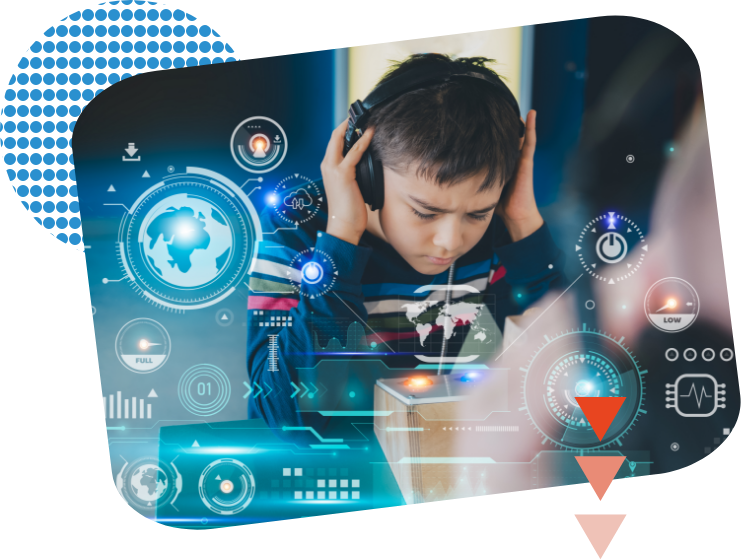
First of all, it could be argued that technology has the capacity to ‘speak student language.’ Anyone born around the millennium will have grown up immersed in digital environments, and might find traditional methods of instruction disconnected from their daily experience. By incorporating digital tools, educators can make learning feel more relevant and engaging. This attitude aligns with Matt Miller’s argument in Ditch That Textbook, where he suggests that students should be challenged to use technology not simply to replicate old ways of learning, but to wrestle with new, profound questions about humanity, creativity, and ethics. When students feel that education resonates with their lived realities, their trust in the process deepens.

Secondly, provision of technology can promote equity of access - and a striking example of this is the 2025 rollout of 35,000 iPads to pupils and staff across schools in Fife. By providing devices complete with managed software, training, and safety controls, the initiative aims to reduce inequalities between students and ensure that digital learning opportunities are universally available. In contexts like these, trust in education is potentially reinforced, as students and parents can see a commitment to fairness and equal opportunity. On the flip side however, giving children yet more devices to work with when it is widely recognised the harm they can cause might meet with some resistance from parents.
Thirdly, we might say that the use of tech – particularly AI tools - can potentially enable personalisation and feedback for students at all levels. Where this could be particularly useful is in differentiating texts for varied reading levels, enabling the teacher to cope better with mixed ability classes. AI can also generate quizzes, providing instant, targeted feedback – the immediacy of which can build on engagement and a sense of being supported. For further education and training institutions, digital platforms can bring new forms of transparency and accountability, with data-analytics, learning management systems, and online assessment tools making student progress more visible. In turn, Institutions can be perceived as having fairness and consistency - reinforcing societal trust that standards are being upheld. In this sense, technology can act as a bridge between individual learners, teachers, and wider systems, helping to maintain coherence and trust across all levels.
However, at the same time, the integration of technology into education introduces challenges that can weaken trust if left unaddressed.
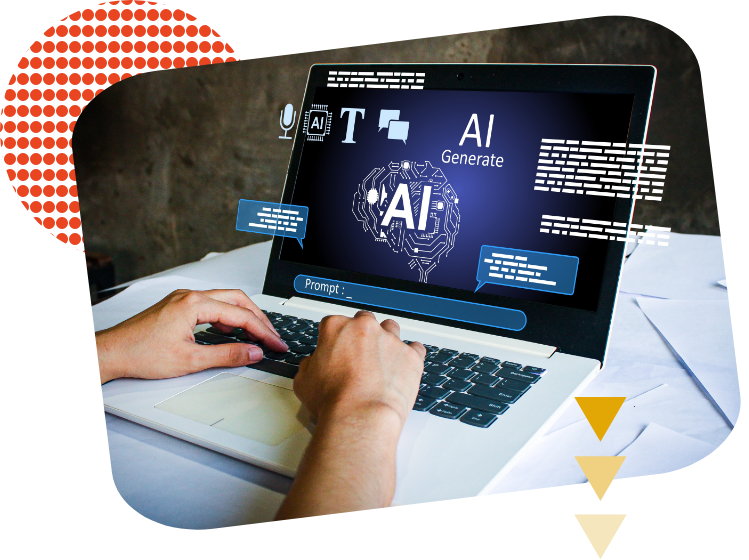
One significant shift is the dispersal of authority. Where teachers were once the gatekeepers of knowledge, students now turn first to Google, YouTube, or AI tutors. The sheer accessibility of information online can make the teacher’s role appear less central, which may leave students questioning why they should trust one person’s interpretation when thousands of alternative voices are available.
Assessment is another fraught area. With AI writing tools capable of producing essays, institutions have responded by implementing plagiarism checkers, remote proctoring systems, and digital surveillance tools. While intended to protect integrity, these measures can leave students feeling mistrusted - as though they are being treated as potential cheats rather than as learners. This somewhat shaky dynamic, risks undermining the very trust that assessment systems are meant to safeguard.
Misinformation and bias present further challenges - AI-generated content is not always accurate or neutral, and the credibility of online sources cannot be taken for granted. Students must therefore develop strong critical evaluation skills, which is surely the responsibility of educators – a complex issue for both sides. And then, if institutions fail to equip learners for this reality, trust in education more generally may erode.
Perhaps most damaging is the digital divide, which is an all too familiar story. The COVID-19 pandemic exposed vast inequalities in access to devices, internet connectivity, and supportive home environments. On a personal level, I saw these disparities first hand during my daughter’s schooling, and it definitely shook my trust in the education system. Depending on the resources of the schools, some students were able to continue learning relatively smoothly, while others fell significantly behind. Technology can only build trust if it is distributed equitably, and there are still large sections of the world where schools simply do not have the resources for equal access.
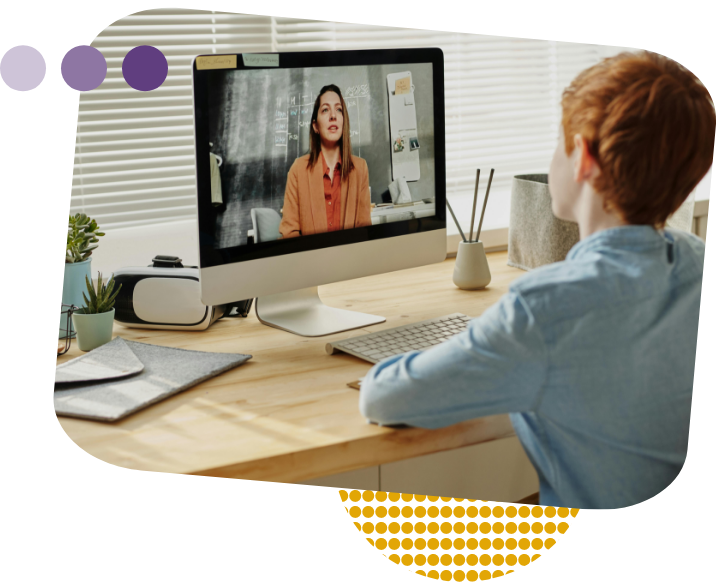
So, you could argue that against this backdrop, whether we fully embrace technology or not, the role of the teacher is shifting significantly. However, it is surely still true that teachers remain indispensable - because while technology can provide instant explanations or generate lesson content, it cannot replace the relational and ethical dimensions of teaching – and that simple, human connection which can carry so much in the way of understanding. Teachers build trust not only by transmitting knowledge but by inspiring curiosity, guiding critical thinking, and offering care – do you remember your favourite (or least favourite) teacher? I know I do!
Some educators advocate for thinking of AI as a ‘co-teacher’ – and I think this framing has potential if it means that technology supports teachers by handling administrative tasks, offering differentiated resources, or enhancing classroom efficiency. However, if AI begins to take centre stage in decisionmaking, there is a risk that teachers feel devalued and students lose trust in their educators altogether. The challenge is therefore to ensure that technology amplifies rather than undermines the trust inherent in human relationships.
Looking forward, education will increasingly require students to wrestle with ethical and existential questions about the role of technology in their lives. As previously mentioned, Ditch That Textbook captures this well by suggesting that students should not only learn with technology but also reflect on what it means for their humanity – the key questions include:
- Humanity: What makes us uniquely human, and what skills or values cannot be replicated by machines?
- Ethics: How can AI be used fairly and equitably, without embedding bias or causing harm? What safeguards are needed if these tools fall into the wrong hands?
- Obsolescence: What forms of work, creativity, and passion will remain valuable in an AIdriven world?
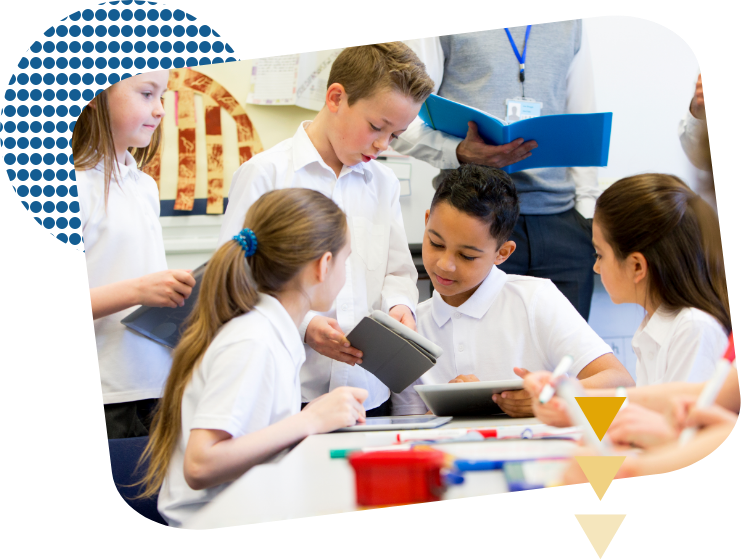
These questions underline the reality that technology in education is not merely about efficiency. It is about values and purpose, and the problematic entanglement of the use of phones within schools is a recurring theme amongst parents and educators. The Netflix drama Adolescence highlighted exactly this and really shook public trust in technology in education by exposing how easily teenagers can be drawn into harmful online worlds. The campaign group Smartphone Free Childhood described the show as a ‘watershed moment’, sparking urgent debate about children’s digital safety. Policymakers responded quickly and MPs called for the drama to be shown in schools and even Parliament, while Prime Minister Keir Starmer endorsed its use as a tool to tackle misogyny and violence. The series has since influenced wider conversations around safeguarding, digital literacy, and the role of technology in young people’s learning.
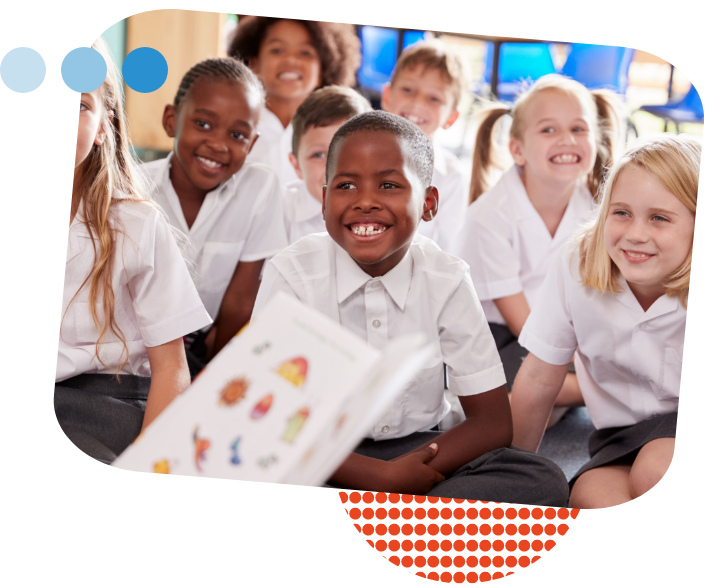
Ultimately, education has never been ‘just’ about the transmission of information, it has always been about relationships, fairness, and human connection - and these foundations of trust simply cannot be outsourced to machines - although perhaps they can support them. Perhaps the greater task ahead is to trust that beyond the noise and chaos of the tech driven world, the spark of curiosity will endure.
What do you think? Is technology changing the way we trust in education? The answer is (probably) yes – but with the caveat that this change is complex and often contradictory. On the one hand, technology can build trust by promoting equity, offering personalisation, and increasing transparency and on the other, it can erode trust by dispersing authority, complicating assessment, amplifying misinformation, and exposing inequalities.
Get in touch
At eCom we love to hear from people so if you have enjoyed this content from the Thinking Zone or would like to pose a question to our Creative Thinker in Residence then please do get in touch or follow us on LinkedIn.