Home / Thinking Zone / The heart and soul of healthcare systems
Trust in technology series: The heart and soul of healthcare systems
In the third of six pieces on trust in technology, eCom’s Creative Thinker Sophie McKay Knight considers the use of technology within healthcare systems, and how expectation and trust are inextricably linked.
Posted 18 June 2025

Trust in healthcare is combined with one of our most fundamental needs - to heal and be healed. We are often at our most vulnerable when we or our loved ones need help from the medical profession, and the manner in which this is experienced, and whether it meets our expectations is key in understanding that trust.
Medical practitioners have had their own versions of technology since the dawn of humanity. From the bronze surgical instruments used by the Ancient Egyptians to the implementation of the first X-Ray machine in 1895, societies have always had ‘tools’ which aided treatment - and over centuries this has formed modern medicine as we know it. Huge leaps were made possible by the advent of antibiotics, antiseptics and anaesthetic and the fact that understanding was and is constantly being developed in countless contexts. And whilst Western healthcare has changed significantly since the days of leeches and trepanning, what has remained worldwide is our unwavering need for the medic behind the technology, who can ease our burden of suffering, fear and pain.
Now, with the rapid development of technology, medical care is becoming increasingly digitised, whether that be through wearable devices, remote monitoring, AI diagnostics and scanning, chatbots, digital wards or, since Covid19, traceable app technology. But is the tech just the modern-day equivalent of the stethoscope – a tool to be used – or is it something which can actually predict, treat or even prevent future ill health?
When technology enables or accelerates an expected healthcare experience, trust in it can be built, and this is exactly what is happening at Great Ormond Street Hospital (GOSH), who have been taking part in the first NHS trial of a bespoke healthcare AI tool called TORTUS, which helps to increase face-to-face time during appointments. The programme listens to conversations between doctors and patients and picks up important medical details while ignoring background noise. It can also draft notes, follow-up letters, and suggest medical codes, which doctors can then review to ensure accuracy. About 5,000 patient assessments are taking part in the trial, including hospitals, GP clinics, A&E, and mental health services. Following successful early stages, the programme - led by GOSH’s Data Research, Innovation and Virtual Environments (DRIVE) unit - secured funding to deliver the first evaluation of ambient voice technology at scale within the NHS.
Dr. Maaike Kusters, a GOSH consultant, says this tool is a “game changer,” allowing her to focus on her patients without worrying about typing – particularly as she is treating children, who might have complex diagnoses and only articulate symptoms whilst moving around or playing.
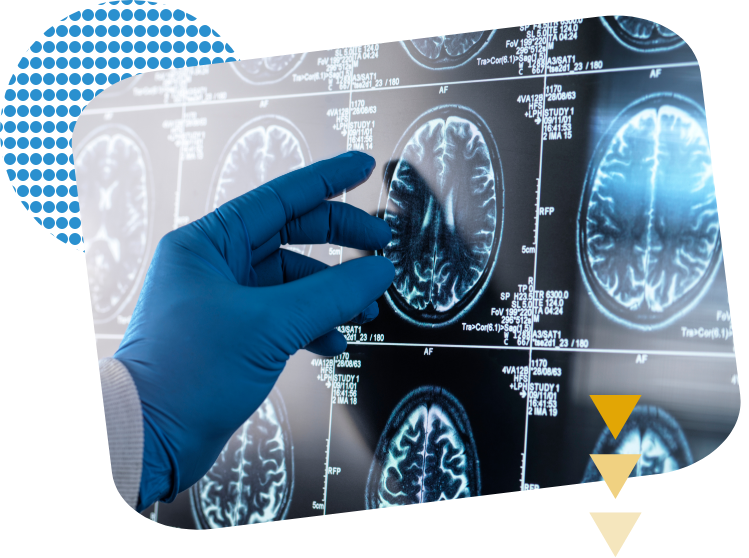
Both of these examples show how technology is positively aiding practitioners in utilising their specific knowledge and experience, without getting tied up in processes and administration; and also how AI is increasing meaningful patient time, and therefore the all-important ‘human touch’.
It is well recognised that in addition to up to date treatment, patients really do need this human connection to feel better – and that the positive impact of it may be underestimated by those who are on the frontline of healthcare - and who through no fault of their own, are overworked, underpaid and overwhelmed.
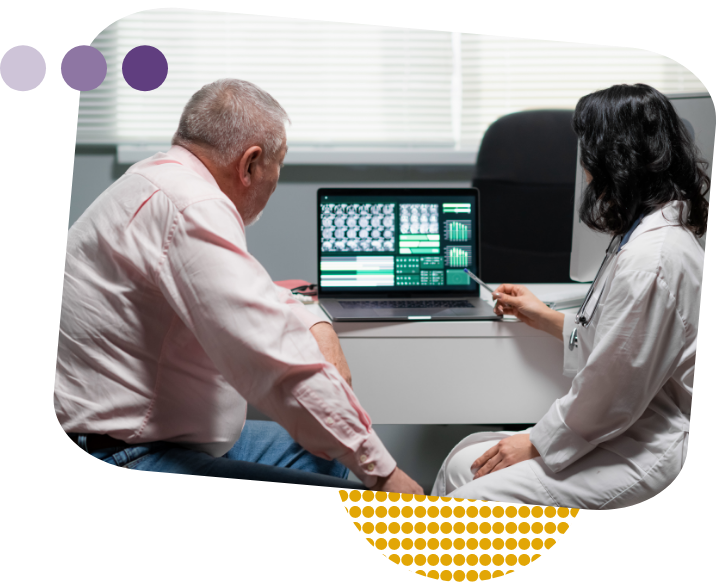
American cardiologist, scientist and author, Dr Eric Topol, famously made the claim that ‘AI could make medicine human again’, after he (like many), observed the impact of limited time allotment in clinic visits or bedside rounds, as well as the time taken when clinicians had to update electronic records during a consultation.
In his book, Deep Medicine, How Artificial Intelligence can make Healthcare Human Again, he expands on the theory that the human bond between patient and clinician is fundamental, and that AI technology could bring back the ‘trust, presence and intimacy’ with patients which has not been seen (in his opinion) since the 1980s – largely by giving them ‘keyboard liberation’. In his 2023 article in the Lancet, ‘Machines and empathy in medicine’, he states the importance of ‘the ability to listen to a patient’s story and deep concerns; the necessity of a careful physical examination, reinforcing human touch and trust; and the genuine sense of care and compassion.’
Nobody would argue against the importance of compassion and trust between clinicians and patients, but it may seem counterintuitive to some that machines are significantly helping this to progress. However, a Reddit 2023 study with volunteer physicians showed that AI responses to 195 patient questions were deemed more empathetic than the human doctors’ responses – in fact, they were considered to be 9.8 times more so. However, it is important to note that this very small study of what is essentially ‘pseudo empathy’, does not mean that machines have developed human qualities. What is does show is simply that the language used during medical consultations has value – particularly when delivered in conjunction with non-verbal cues such as eye contact, focused listening or hand holding.
Trust in healthcare is also connected to history and expectation, and it has to be acknowledged that too often, trust has broken down because of historical or cultural injustice. There are several communities who have good reason to mistrust their healthcare system, whether that be through personal experience or wider discrimination. It is crucially important that whichever method of information, advice or treatment is given, there is trust - and sometimes this has been significantly unmet. The case of HeLa cancer cells, taken without consent from Henrietta Lacks in 1951, and the Tuskegee Syphilis Study (1932– 1972) both illustrate profound breaches in ethical standards, deliberate withholding of information and patient autonomy. Unfortunately, these and other cases of exploitation have contributed to lasting mistrust in healthcare systems, particularly among marginalized communities, where fears of being used or unheard have left a lasting legacy.
Another element which might be currently eroding trust in healthcare is social media. Often, people report finding health information on social media more trustworthy than cautious, scientific sources - mainly because it is instant, relatable and emotionally engaging. Humans are hard wired to connect through stories, and if a health concern is given a solution through this lens, it is easy to see how we might be taken in – regardless of any evidence-based information elsewhere.
If a person has waited several weeks or months for an appointment which then does not meet their expectations, the perceived authenticity of an ‘expert’ on social media can quickly escalate the situation. And it is perhaps true to say that our trust in conventional healthcare is assumed because of authority and knowledge, whereas regular updates via social media appear to be earned through a ‘relationship’. Combine this with existing mistrust from various communities, and it is clear to see how confusing messages circulate and how the wellness industry has taken off.
However, we do not want to throw the proverbial baby out with the bathwater and the desire to develop an equitable healthcare system for all is what technology may be able to help with – if utilised correctly. Optimistic outlooks promise us a future of personalised treatment, targeted health predictions and faster results. None of us can evade illness, but perhaps, if humans and machines can be allowed to work together using the best of their capabilities, we might see a positive way forward.
What do you think? Do you have an opinion on technology in Healthcare?
Get in touch
At eCom we love to hear from people so if you have enjoyed this content from the Thinking Zone or would like to pose a question to our Creative Thinker in Residence then please do get in touch or follow us on LinkedIn.